
Fear-Free Visits: Why Modern Dental Clinics Focus on Patient Comfort
The experience of visiting a dentist has significantly evolved over the years, with a greater emphasis now placed on patient comfort. Historically, dental visits were often linked with pain and fear, making them less frequent and more crisis-based. This transformation within modern dental practices prioritizes reducing these fears to encourage consistent and proactive oral care. Emphasizing comfort not only alleviates anxiety but also promotes regular checkups, improving overall oral wellness across the community. The integration of new techniques and technologies stands at the forefront of this patient-centered approach, reshaping how clinical care is perceived and experienced today. This cultural shift ensures that families can maintain their smiles without facing overwhelming stress or emotional discomfort during their appointments.
Understanding the Prevalence of Dental Anxiety
Dental anxiety is a widespread phenomenon affecting numerous individuals worldwide, often preventing them from seeking essential professional care. It is estimated that a significant portion of the population experiences intense nervousness when considering routine appointments at dental clinics. According to the North American Dental Group, 54% of Americans said they would only visit the dentist during an emergency, highlighting a reluctance driven by fear.
This widespread avoidance of preventative procedures can deter people from seeking early intervention, leading to a severe deterioration in long-term oral health. Recognizing the sheer prevalence of this anxiety is the first crucial step in addressing it compassionately. For many, this deep-seated fear is rooted in negative childhood memories or painful past experiences with outdated procedures. Media portrayals often exaggerate these clinical experiences, further fueling public fear and creating a continuous cycle of medical avoidance.
Identifying Psychological and Physical Triggers
Dental anxiety often arises from various psychological triggers that are deeply embedded in an individual's psyche. The perception of a total loss of control during clinical procedures is a common psychological factor contributing to this intense fear. Some individuals experience heightened nervousness due to the anticipation of pain, even in modern cases where discomfort is completely managed. Additionally, the unique sounds and smells associated with traditional environments can serve as potent anxiety triggers for sensitive patients.
By identifying these specific psychological factors, practitioners can better tailor their clinical approaches to mitigate fear effectively. Physical triggers also play a crucial role, often manifesting as sudden physiological responses such as an increased heart rate and muscle tension. The clinical setting itself can provoke a strong physical reaction in patients who associate tools with past discomfort. Combating these physical triggers requires a compassionate approach, including comprehensive communication and a thorough explanation of every tool.
Assessing the Impact of Fear on Oral Wellness
The impact of severe dental anxiety on long-term oral health is profound, often leading to a chronic cycle of neglect. When individuals avoid visiting dental clinics due to fear, trivial issues such as minor cavities can quickly develop into serious infections. This continuous avoidance diminishes preventive care opportunities, which are absolutely crucial for maintaining hygiene and preventing complex, invasive treatments. Consequently, untreated conditions can exacerbate rapidly, eventually affecting an individual’s self-esteem, comfort, and daily social interactions.
By actively addressing dental anxiety, practitioners can encourage more patients to adopt regular, stress-free clinical care routines. There also exists a broad, proven connection between untreated oral conditions and various serious systemic health issues over time. Untreated infections can eventually lead to complications like heart disease and diabetes due to chronic inflammation spreading through the body. Highlighting this significant link between oral hygiene and overall wellness becomes a compelling factor in reassuring apprehensive individuals.
Dispelling Common Myths and Misconceptions
Dispelling common myths that feed dental anxiety is crucial for promoting a more informed understanding of modern healthcare. One prevalent myth is that all clinical procedures are inherently painful, which completely ignores incredible advances in modern local anesthesia. Another misconception is that frequent visits to dental clinics are unnecessary if an individual practices diligent brushing at home. These false beliefs can cause individuals to avoid regular checkups, becoming complacent until their underlying issues are too advanced.
Educating the public on truth versus myth is fundamental to overcoming these entrenched fears across all age groups. Another major misconception is the perceived high cost of treatments, which frequently discourages families from booking routine appointments. Many people are unaware that early preventative care drastically reduces the need for expensive, complex restorative surgeries down the line. Addressing these financial and structural misconceptions with factual information reassures individuals about the safety and affordability of modern care.
The Evolution of Modern Pain Management
Pain management stands as a cornerstone in delivering fear-free care, with modern techniques significantly improving the overall patient experience. Today's progressive dental clinics utilize sophisticated anesthesia options, ensuring that patients remain entirely comfortable during their treatment. Techniques like localized numbing and conscious sedation have evolved to offer customized care suited to individual physical tolerances.
These advancements allow for even complex restorative procedures to be completed with minimal discomfort, alleviating the physical tension traditionally associated with visits. By prioritizing effective pain control, practitioners foster an environment that is highly conducive to stress-free, routine maintenance. Beyond advanced anesthesia, innovative management techniques extend to non-invasive options, including fast-acting topical desensitizing gels applied before any procedure begins. Through comprehensive patient education, individuals can be better prepared for what to expect, reducing anticipatory anxiety long before they sit in the chair.
Creating a Welcoming and Calming Environment
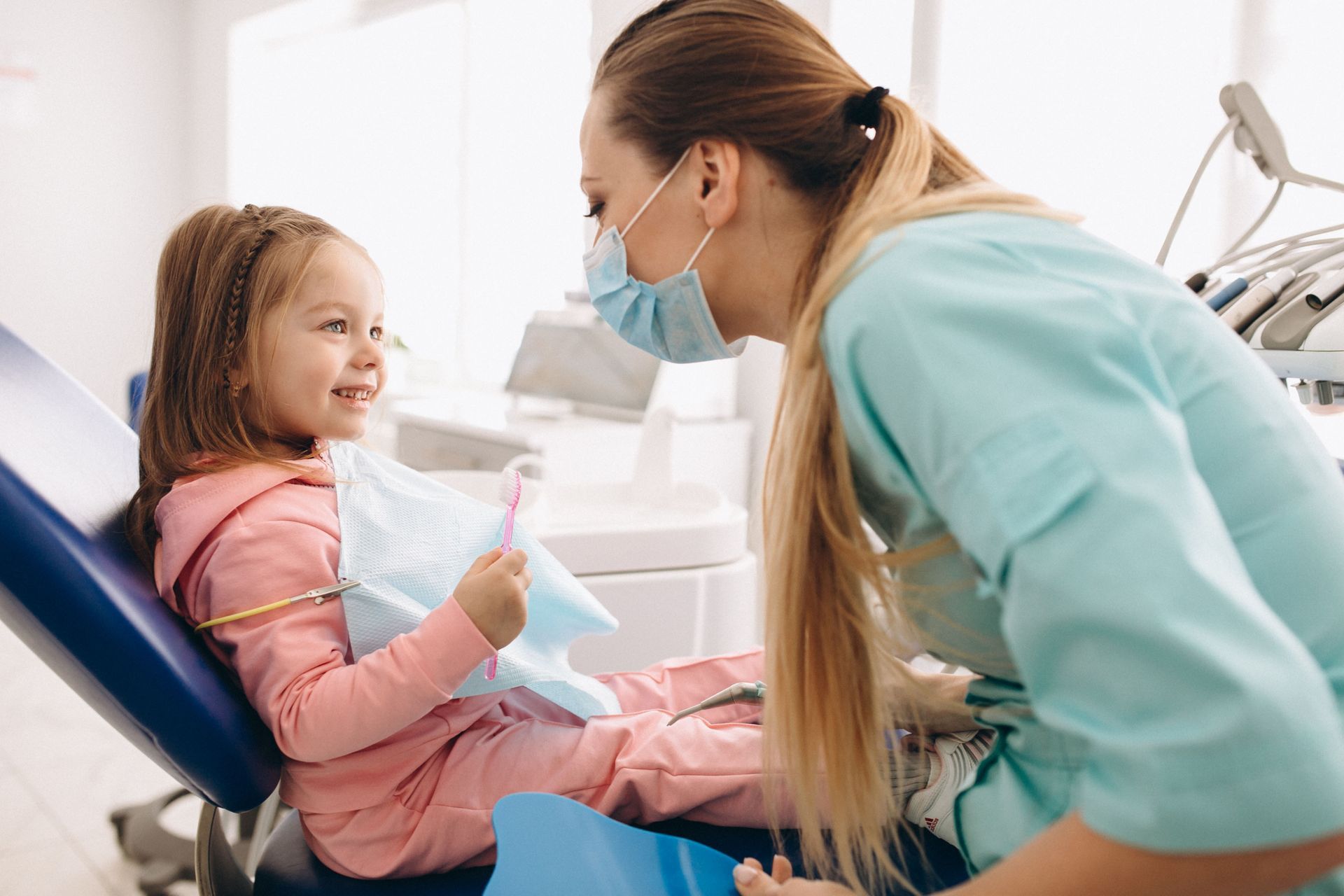
The physical design of modern dental clinics plays a crucial role in creating a welcoming and comforting environment for patients. Aesthetic evolution from sterile, cold atmospheres to warm, inviting spaces significantly reduces psychological apprehensions from the moment a patient arrives. This transformative approach includes calming color schemes, relaxing seating areas, and the integration of natural elements such as plants or soothing music.
By minimizing traditional clinical cues associated with stress, these innovative designs serve to put anxious minds at ease immediately. This transition marks a pivotal shift in how modern practices proactively foster a sense of comfort, safety, and reassurance. Furthermore, the ergonomic layout within treatment rooms further enhances the comfort experience, allowing clinicians to work efficiently while attending to patient needs. Adequate spacing maintains personal privacy, which is an element crucial for reducing anxiety and promoting a secure feeling.
The Role of Technology in Reducing Dental Anxiety
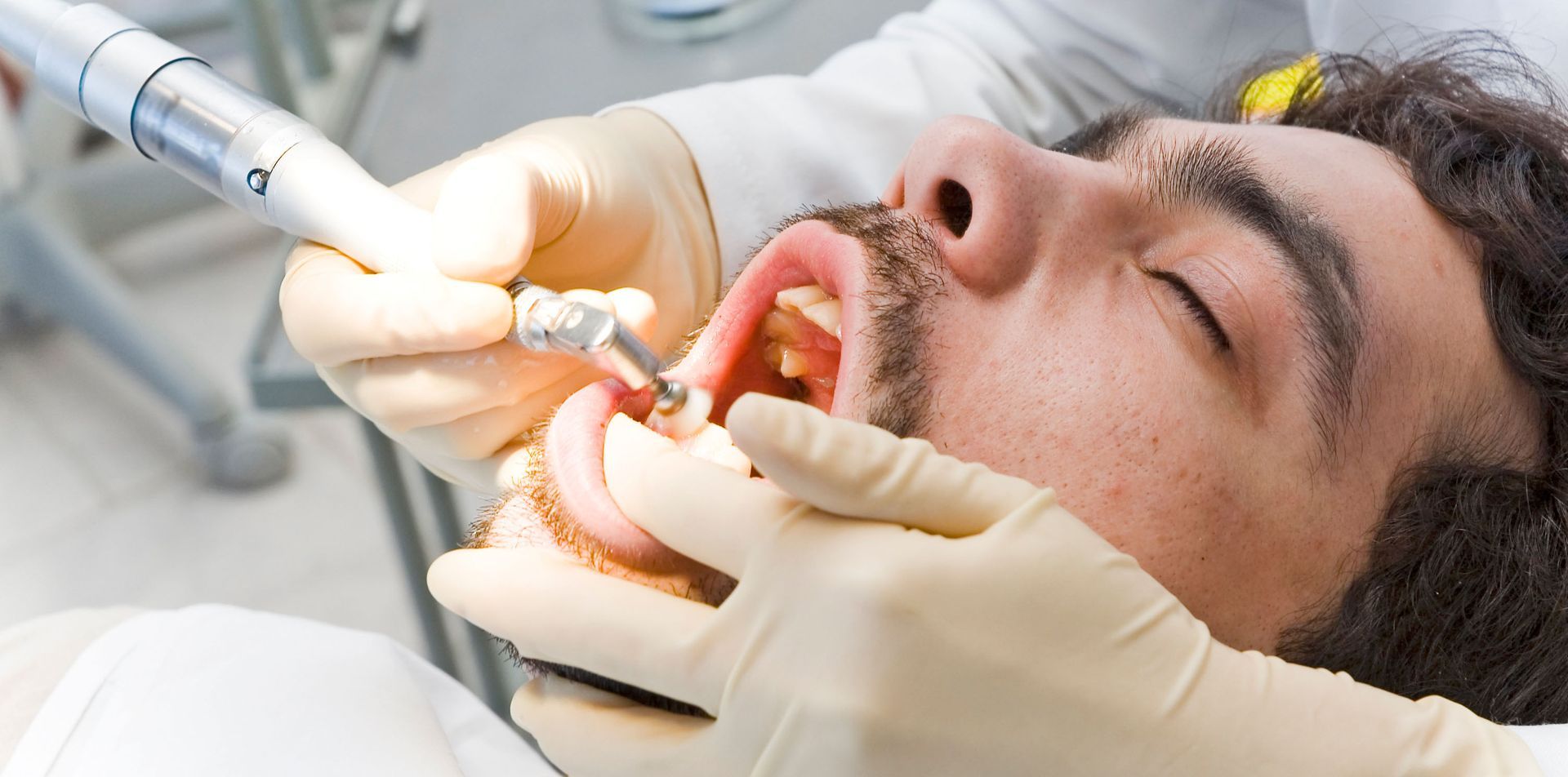
Modern dental technology has become one of the most effective tools in reducing patient fear and improving overall treatment experiences. Digital imaging systems, for example, allow dentists to diagnose issues with greater accuracy and far less discomfort compared to older methods. Intraoral cameras help patients visually understand their oral health in real time, removing uncertainty and building clarity about recommended treatments. Laser dentistry has also reduced the need for traditional drilling in many procedures, resulting in quieter, less invasive, and more comfortable visits. These advancements not only improve precision but also shorten appointment times, which can significantly reduce anxiety for nervous patients. By integrating technology into every stage of care, modern clinics create a smoother, more predictable experience that helps patients feel more at ease throughout their visit.
Taking that first step toward regular dental care can make a meaningful difference in both your oral health and overall confidence. Whether you’ve been delaying a visit due to anxiety, a busy schedule, or past discomfort, modern dental care is designed to meet you where you are. From gentle cleanings and preventive exams to more advanced restorative treatments contact us to experience compassionate, stress-free care tailored to your comfort. Premier Dental Care of Decatur is ready to schedule your next routine checkup.
Share On: