
The Most Common Tooth Whitening Questions, Answered
A bright smile serves as a universal sign of health, making tooth whitening a sought-after cosmetic procedure. People want to feel confident when they share their smiles, leading to questions about achieving dazzling results safely. According to the CDC, 1 in 5 adults (21%) aged 20 to 64 years have at least one untreated cavity. Taking proactive steps to manage underlying issues like decay is vital, and addressing aesthetic concerns naturally happens during routine preventive visits. If you are wondering about the best ways to enhance your smile, it is common to bring up these pressing questions at your next dental cleaning appointment. Understanding the basic mechanisms of the whitening process helps you make informed decisions about your personal dental care and confidently take steps toward the luminous smile you have always wanted.
What Causes Tooth Discoloration?
Before exploring methods for brightening a dull smile, it is helpful to understand why teeth lose their natural brilliance. Over time, the hard outer protective layer of the tooth, known as the enamel, accumulates stubborn stains from everyday dietary habits. Consuming dark beverages like coffee, tea, and red wine serves as a primary culprit for noticeable surface stains that are difficult to brush away. Indulging in foods with strong pigments and engaging in tobacco use also heavily impact the baseline color of your teeth. Beyond external lifestyle factors, the aging process inherently causes the bright enamel layer to thin out, revealing the darker dentin layer underneath. Some prescription medications and past physical trauma can cause intrinsic discoloration originating from deep within the tooth structure. While brushing daily helps manage soft plaque, these habits often fall short of completely removing deep-set stains. Discussing your dietary habits with your hygienist during your routine dental cleaning appointment can shed valuable light on what might be dulling your unique smile. Identifying the root causes of your discoloration is a crucial first step in selecting the most effective whitening strategy.
How Do Whitening Treatments Work?
Cosmetic tooth whitening products primarily utilize active chemical bleaching agents, such as hydrogen peroxide or carbamide peroxide, to safely alter the baseline color of the teeth. These potent ingredients penetrate the porous tubules of the enamel layer and initiate a safe chemical reaction that effectively breaks apart the rigid carbon bonds of staining molecules. As these tough bonds are broken down, the unsightly stains become significantly less visually apparent, which immediately results in a lighter overall appearance for the treated tooth. Professional treatments administered in a controlled office environment utilize stronger formulations that reliably produce dramatic results very quickly, while over-the-counter options utilize considerably milder concentrations requiring consistent use over a much longer period. To accurately determine which application method is most appropriate for your specific degree of staining, it is always best to consult directly with your provider. A skilled professional evaluates the thickness of your enamel and the stubborn nature of your stains. Asking about these options at your next dental cleaning appointment ensures you choose a targeted treatment path perfectly suited to your anatomy.
Are Whitening Procedures Generally Safe?
Safety remains an understandable concern for anyone considering a new cosmetic enhancement, and fortunately, modern tooth whitening is widely considered safe when conducted under careful professional supervision. The most frequently reported side effect is mild tooth sensitivity, which occasionally occurs when the active bleaching agent temporarily reaches the sensitive nerve endings located deep within the tooth structure. This highly manageable sensitivity typically subsides completely on its own very shortly after the active treatment phase is finished. Another potential cosmetic issue is temporary soft tissue irritation, which happens if the strong whitening gel accidentally comes into direct contact with the delicate gums. Professional in-office treatments skillfully minimize this specific risk by utilizing custom-fitted application trays or expertly applying specialized protective barriers directly to the vulnerable gum line. Conversely, blindly attempting to use unregulated online products or continuously overusing harsh at-home retail kits can unfortunately lead to permanent enamel damage or intense discomfort. To avoid these unwanted complications, it is best to seek expert professional advice rather than experimenting aimlessly on your own. Bringing up your specific historical sensitivity concerns during a standard dental cleaning appointment allows your dedicated dental care team to carefully adjust the concentration of the whitening agent to protect your oral health.
How Long Will the Results Last?
The ultimate longevity and lasting beauty of your newly brightened smile heavily depends on a combination of the chosen whitening method and your ongoing daily lifestyle choices. Unlike permanent cosmetic restorations such as porcelain veneers, chemical whitening is explicitly considered a temporary aesthetic enhancement requiring consistent ongoing maintenance to successfully preserve its brilliant effects. For most people, high-quality professional treatments can last a long while before any truly noticeable fading occurs. However, if you frequently consume heavily pigmented foods and dark beverages or regularly use tobacco products, the dull stains will inevitably return much faster. Practicing excellent oral hygiene at home by diligently brushing and flossing every single day without fail is absolutely essential for extending the vibrant life of your beautiful new results. Using a basic straw when drinking dark liquids and quickly rinsing your mouth with plain water after heavy meals helps prevent fresh surface stains from permanently setting into the enamel. Periodic touch-up treatments at home or in the dental office can reliably revive fading brightness. Your knowledgeable hygienist can offer personalized daily maintenance tips when you go in for a scheduled dental cleaning appointment, ensuring you have all the tools to keep your gorgeous smile looking vibrant.
When Is the Best Time to Whiten?
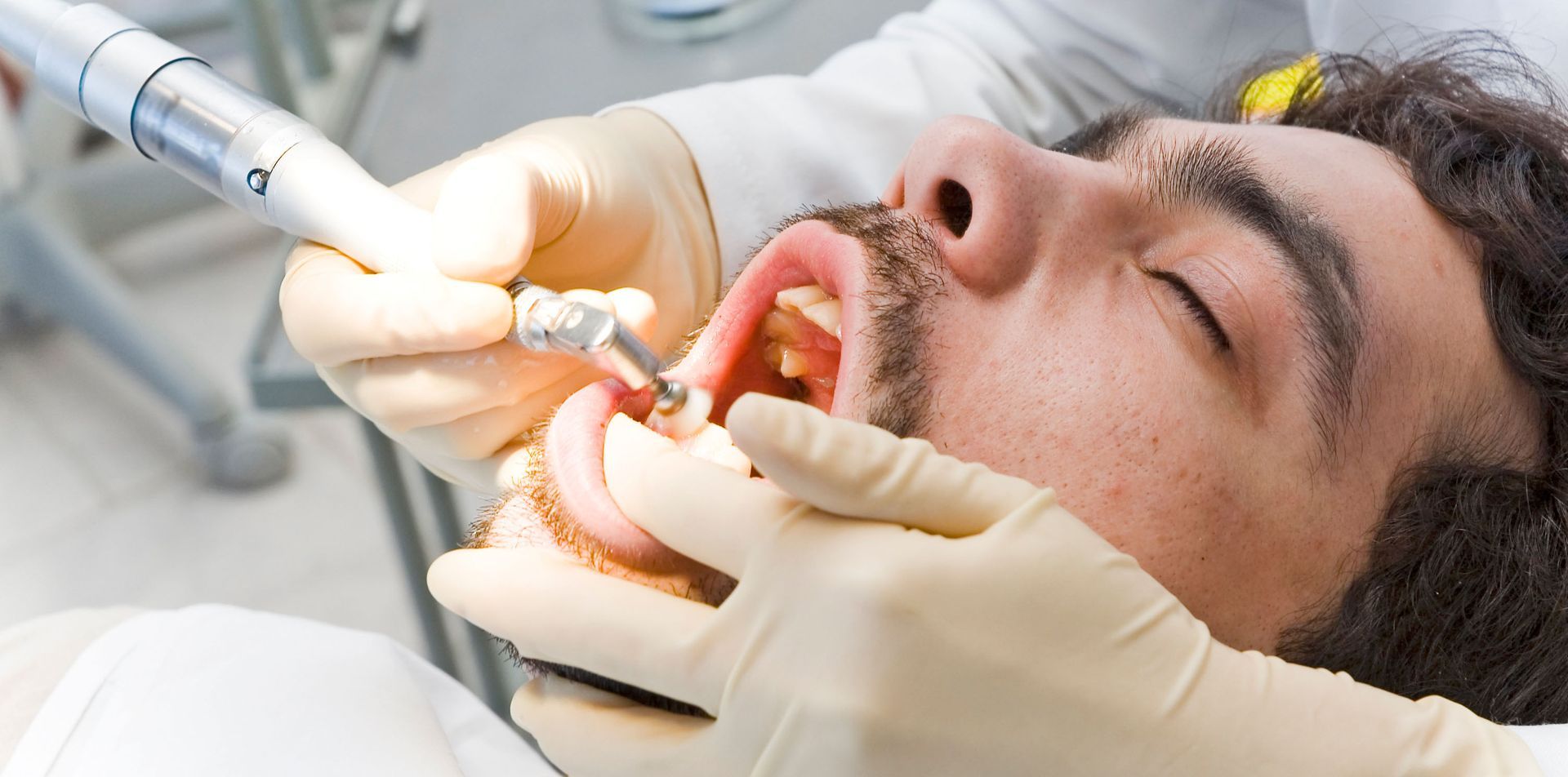
Carefully timing your desired cosmetic whitening treatment correctly can genuinely make a substantial difference in the overall brilliant quality and flawless uniformity of the final result. Chemical whitening agents are unequivocally most effective when directly applied to a perfectly clean tooth surface that is completely free of any residual sticky plaque and hardened tartar buildup. If you mistakenly attempt to heavily whiten teeth that have not been thoroughly cleaned beforehand, the active bleach may simply not penetrate the blocked enamel evenly, directly leading to a highly disappointing or noticeably inconsistent appearance. Furthermore, any underlying previously untreated dental issues, such as active tooth decay or unmanaged gum disease, must be resolved before safely introducing any strong bleaching chemicals directly into the oral environment. Applying potent whitening gel to severely compromised teeth can instantly cause unexpected pain and drastically exacerbate pre-existing structural problems within the mouth. Therefore, the strategic time to comfortably initiate a brand-new whitening regimen is immediately following a comprehensive professional evaluation and a thorough plaque removal session. Scheduling your cosmetic whitening treatment in close conjunction with a routine dental cleaning appointment guarantees that your delicate enamel is freshly polished, your surrounding gums are healthy, and your teeth are prepped to absorb the whitening agent flawlessly.
Achieving a remarkably brighter smile is an incredibly exciting journey that can profoundly impact your overall daily self-esteem and completely change how you comfortably interact with others. By eagerly taking the time to fully understand the underlying causes of stubborn discoloration, the fascinating science behind available treatments, and the undeniable importance of strict safety and proper treatment timing, you set yourself up for a successful cosmetic experience. Relying heavily on sound professional guidance remains the most reliable way to safely navigate the confusing multitude of whitening options currently available on the retail market today. Your trusted dental care team remains your greatest resource for carefully designing a personalized whitening plan that aligns perfectly with your aesthetic goals while prioritizing the lasting health of your fragile enamel. Whether you are actively preparing for a special occasion or you simply want to refresh your everyday look for personal satisfaction, starting with a solid foundation of exceptional oral health is key to your ultimate success. Be sure to enthusiastically bring up your specific cosmetic whitening goals when you arrive for a comprehensive
dental cleaning appointment so your provider can thoughtfully map out the best strategic approach specifically for you. Reach out to Premier Dental Care of Decatur today to learn more and schedule your personalized consultation.

Share On: