
When Should You See an Orthondontist for Bite or Alignment Issues?
Recognizing the right time to seek specialized dental care can profoundly impact your long-term health and self-confidence. Many individuals mistake malocclusions and crooked teeth as purely cosmetic concerns that only affect the visual appeal of their smile. However, misalignment can introduce a host of functional challenges that disrupt your ability to chew, speak, and clean your teeth effectively.
Over time, an improper bite places uneven strain on your jaw joints and accelerates the wear of your natural enamel. Seeking the guidance of a trained specialist allows you to address these structural issues before they trigger more painful, systemic complications. Modern corrective treatments are highly adaptable and cater to patients of all ages, from young children to working professionals. By prioritizing an early evaluation, you gain a clearer understanding of your oral anatomy and the corrective paths available to you. Taking this proactive step ensures your mouth remains healthy, functional, and pain-free for decades to come.
Recognizing the Early Signs of Developmental Malocclusions
Children often display the first indicators of bite complications as their permanent adult teeth begin to emerge from the gums. Parents should monitor how their child's upper and lower jaws meet when they chew food or speak naturally. Common developmental warning signs include a noticeable overbite, an underbite, a crossbite, or severe crowding that pushes teeth out of position. Persistent habits during early childhood, such as prolonged thumb sucking or tongue thrusting, can also alter the natural shape of the jawbone structure.
Scheduling a specialized consultation around the age of seven allows a professional to monitor jaw growth and intervene if structural deviations occur. Early interceptive treatment can guide the growth of the jaw bones, making future corrective procedures much simpler and less invasive. An orthodontist possesses the diagnostic tools required to predict how adult teeth will erupt and can create a preemptive care strategy. Addressing these developmental concerns early protects your child from experiencing severe functional alignment difficulties later in life.
Assessing the Hidden Structural Causes of Jaw Discomfort
Chronic pain in the jaw, face, or neck often stems from an underlying misalignment that disrupts your natural biting mechanics. When your teeth do not close together evenly, your facial muscles must work extra hard to compensate during regular chewing cycles. This continuous muscular overexertion can lead to painful muscle spasms, chronic tension headaches, and severe joint inflammation.
Many patients suffering from these symptoms eventually develop temporomandibular joint disorders, which can cause a clicking or popping sensation in the jaw. An experienced orthodontist can evaluate your bite to determine if skeletal imbalances are putting excessive pressure on these delicate joint structures. Corrective appliances, such as custom splints or traditional braces, can realign the dental arches to distribute biting forces evenly. Relieving this structural strain alleviates daily discomfort and prevents permanent degradation of the protective joint cartilage over time. Investing in structural alignment therapy restores smooth, pain-free jaw mobility so you can enjoy your favorite foods without hesitation.
Evaluating the Serious Physical Consequences of Enamel Wear
Living with a misaligned bite can cause certain teeth to make premature contact with each other every time you close your mouth. This localized, excessive friction places immense physical stress on specific areas of the dentition while leaving other areas completely underutilized. Over several years, this uneven contact naturally grinds away the protective outer layer of enamel, exposing the sensitive underlying dentin.
Patients frequently notice that their teeth appear shorter, fractured, or unevenly chipped along the chewing surfaces as a direct result. This progressive structural destruction increases your vulnerability to severe tooth sensitivity, root canal infections, and premature tooth loss. A qualified orthodontist can carefully analyze your occlusal patterns to pinpoint exactly where these destructive forces are occurring within the mouth. Realignment therapy repositions the dental arches so that all teeth share the workload of mastication uniformly and safely. Protecting your natural enamel from premature mechanical attrition preserves the long-term structural integrity and youthful appearance of your smile.
Understanding the Direct Links to Progressive Gum Disease
Maintaining excellent oral hygiene becomes exceptionally difficult when teeth are severely crowded, rotated, or overlapping one another in the arch. Standard toothbrush bristles and dental floss simply cannot reach into the tight, irregular spaces created by poorly aligned dentition. As a consequence, sticky food particles and harmful bacteria accumulate rapidly in these hidden crevices, forming hardened tartar over time.
This chronic bacterial buildup irritates the surrounding gingival tissues, triggering widespread inflammation, bleeding, and the recession of the gum line. According to Healthline, approximately four in 10 adults 30 years and older have some form of periodontitis. This staggering statistic underscores just how prevalent advanced gum infections are among mature individuals who may struggle with hygiene maintenance. Consulting with a dedicated orthodontist to straighten your smile effectively eliminates these hazardous, hard-to-reach bacterial traps throughout the oral cavity. Aligning your teeth creates smooth, accessible surfaces that allow your daily brushing and flossing routines to be highly successful.
Addressing Speech Difficulties and Natural Articulation Issues
The precise placement of your teeth and tongue plays an absolute, vital role in your ability to articulate words clearly. When severe bite issues like an open bite or a pronounced underbite are present, proper phonetic sealing becomes physically impossible. Individuals may struggle to pronounce specific consonantal sounds properly, often resulting in a noticeable lisp or slurred speech patterns. These communication hurdles can cause social anxiety and diminish self-esteem, particularly for children and professionals who speak publicly.
Standard speech therapy may offer limited improvement if the underlying problem is caused by a structural skeletal deformity. A skilled orthodontist can widen a narrow palate or adjust the dental arches to create the necessary space for natural tongue movement. Correcting these physical obstructions allows the tongue to strike the teeth accurately, instantly improving clarity and vocal projection. Enhancing your speech mechanics empowers you to communicate confidently in both your personal relationships and professional endeavors.
Improving Digestive Efficiency and General Nutritional Intake
The digestive process officially begins in the oral cavity, where your teeth mechanically break down food into easily digestible pieces. A severe malocclusion can prevent you from grinding fibrous vegetables, tough proteins, and dense grains down to a safe, manageable consistency. When you swallow large pieces of unchewed food, your stomach and intestines must produce excess acid to complete digestion. This mechanical inefficiency can lead to chronic acid reflux, bloating, gastrointestinal discomfort, and poor systemic nutrient absorption over time.
Some individuals subconsciously alter their entire diet, avoiding highly nutritious foods simply because they are too difficult or painful to chew. A clinical examination by an orthodontist can identify which specific biting surfaces are failing to interact properly during the chewing process. Realignment therapy restores complete masticatory functionality, ensuring you can thoroughly grind down a wide variety of healthy, wholesome foods. Restoring your natural chewing capacity directly supports your metabolic health and allows you to maintain a well-balanced, nutritious lifestyle.
Exploring the Comprehensive Benefits of Modern Adult Therapy
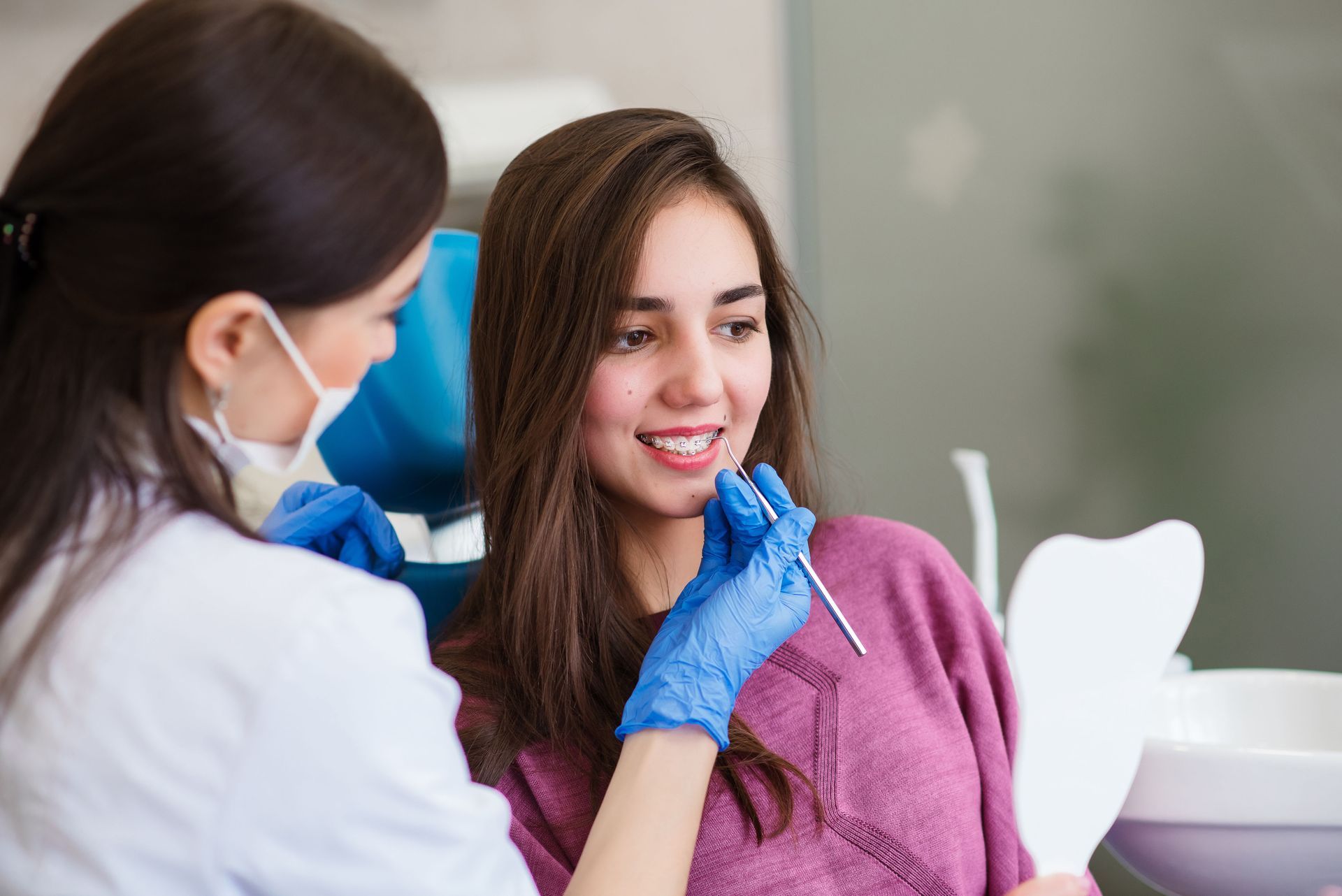
It is a common misconception that structural alignment procedures are exclusive to adolescents and teenage patients who are still growing actively. Modern dental technology has introduced highly discreet, comfortable, and efficient treatment options designed specifically for busy adult lifestyles. Clear aligner systems and ceramic brackets allow mature individuals to undergo comprehensive structural correction without drawing unwanted attention to their smile.
This proactive approach can significantly reduce the need for complex treatments later in life and often shortens overall treatment duration. Preventive evaluation also helps guide patients toward better oral habits, such as improved brushing techniques and awareness of harmful behaviors like clenching or grinding. By addressing concerns early, orthodontic care becomes more efficient, less invasive, and more predictable, ultimately protecting both function and aesthetics for the long term. If you are ready to correct your bite and experience the life-changing benefits of a perfectly aligned smile, contact Premier Dental Care of Decatur today to schedule your comprehensive structural consultation.
Share On: