
Preventive Savings: How Regular Visits to Dentists Actually Protect Your Wallet
Maintaining oral health is often an overlooked aspect of personal healthcare, yet it plays a crucial role in our overall physiological well-being. Regular appointments with your dental provider do not just safeguard your teeth and gums; they significantly protect your hard-earned financial health as well. Ignoring long-term dental care can lead to entirely avoidable health complications, resulting in skyrocketing emergency treatment costs. Furthermore, a neglected mouth can become a gateway for many different harmful bacterias, silently elevating the risks of systemic conditions that demand expensive medical management. Embracing a proactive approach minimizes physical discomfort while alleviating the chronic anxiety often tied to unexpected, high-stakes dental emergencies.
This article delves into the structural importance of preventive dental care and highlights its long-term economic benefits, illustrating exactly how routine visits to qualified dentists can prevent costly, invasive medical procedures. Through a comprehensive exploration of modern preventive practices, we reveal the broader implications of dental neglect and offer practical, highly effective strategies for integrating preventive care seamlessly into your everyday life. Follow along to learn how to properly take care of your dental hiegene.
Understanding Preventive Dentistry
Definition and Core Purpose
Preventive dentistry is a highly specialized branch of dental practice focused entirely on maintaining healthy teeth and gums over a lifetime. Its primary goal is to completely avert dental issues before they arise by implementing routine clinical care, early diagnostic screening, and proactive patient education.
Techniques such as regular cleanings, localized fluoride treatments, and at-home oral health education are integral to this practice. Registered dentists encourage patients to follow these specific, measured steps to preserve their enamel and gum tissue, thereby avoiding extensive, painful treatments that inevitably arise from neglected oral hygiene.
Preventive vs. Reactive Dental Care
Comparing proactive, preventive routines with reactive dental care highlights stark differences in long-term cost implications and patient comfort. Preventive care promotes consistent check-ups and the early detection of structural vulnerabilities, which is mathematically less expensive and substantially less invasive.
Reactive care, by contrast, involves addressing advanced problems only after they have caused severe pain or structural breakdown, often leading to intensive, high-cost treatments like root canals, surgical extractions, or bone grafts.
According to the CDC, 1 in 5 adults (21%) aged 20 to 64 years have at least one untreated cavity. This widespread, preventable issue can rapidly escalate into a severe infection without regular clinical oversight, illustrating why choosing prevention over reaction is a smarter financial move.
Common Preventive Procedures
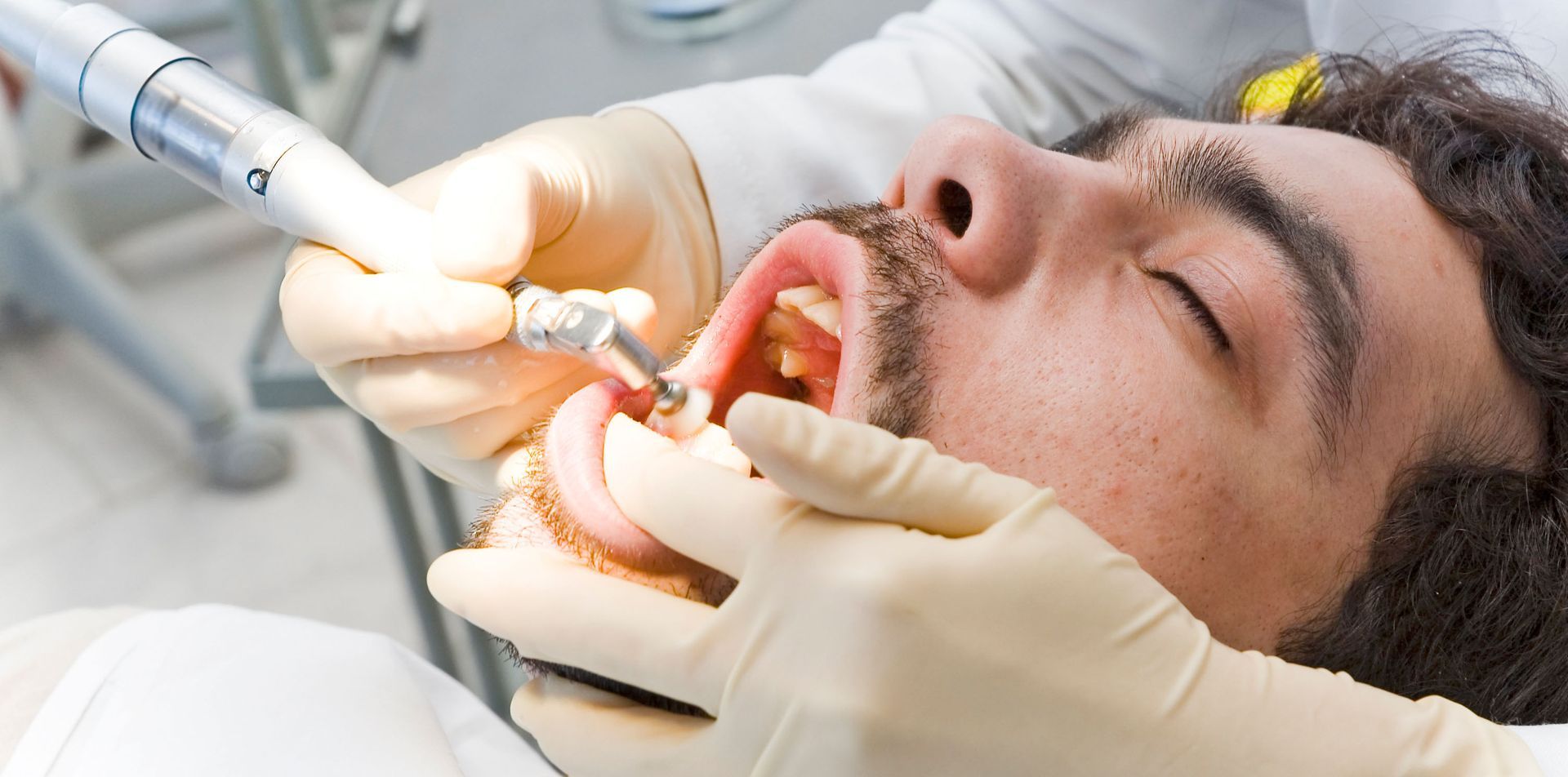
The most common preventive procedures offered by dentists include biannual dental cleanings, professional fluoride applications, and the strategic application of protective dental sealants. Professional cleanings help remove hardened plaque and tartar buildup that regular home brushing and flossing cannot touch, effectively eliminating the breeding grounds for destructive bacteria.
Fluoride treatments chemically strengthen microscopic tooth enamel, making teeth highly resistant to acidic decay. Meanwhile, dental sealants are specialized plastic coatings applied directly to the deep chewing surfaces of the back molars, shielding them from trapped food particles and bacteria. These simple, routine procedures can easily avert the need for drastic treatments down the line.
The True Financial Impact of Dental Neglect
Statistics on Dental Expenditures
The true financial impact of dental neglect is vast, with numerous economic studies illustrating the severe financial burden of untreated oral issues. Research indicates that out-of-pocket dental care costs in the United States are exceptionally substantial, particularly because many individuals lack comprehensive dental insurance coverage.
Untreated dental diseases lead to an estimated $45 billion in lost workplace productivity annually worldwide, highlighting a massive economic drain. When dentists are unable to intervene early, minor decay progressively worsens, forcing patients to pay premium prices for emergency treatments that could have been avoided for a fraction of the cost.
The Ripple Effect on Overall Health Expenditure
Poor oral health frequently leads to broader, systemic health complications, further increasing your overall medical healthcare costs. Severe dental infections can enter the bloodstream and escalate into systemic conditions, contributing directly to cardiovascular diseases, arterial clogging, diabetic complications, and even acute respiratory infections.
This deep biological connection underscores the need for comprehensive primary care, which must include routine dental health. Utilizing preventive dental measures keeps your overall healthcare expenditures significantly lower over your lifetime.
Building a Bulletproof Preventive Care Routine
Creating an Oral Hygiene Schedule
Building an effective daily oral hygiene schedule is crucial for maintaining optimal dental health and preventing serious structural damage. This involves daily, disciplined habits such as brushing twice a day with an ADA-approved fluoride toothpaste and flossing thoroughly to remove hidden food particles and sticky plaque from between teeth.
To complement these vital at-home practices, professional dental check-ups should be firmly scheduled every six months for comprehensive cleanings and diagnostic examinations.
Selecting the Right Dental Professional
Choosing the right team of dentists is an essential step in securing effective preventive dental care. Look for a dental professional who explicitly emphasizes conservative, preventive care and patient education over immediate, aggressive treatments.
A great dentist will provide incredibly detailed examinations, utilize low-radiation digital X-rays, and tailor their clinical advice specifically to your unique biological needs. Furthermore, selecting a modern dental office that offers transparent pricing and flexible scheduling can dramatically enhance your long-term preventive care experience.
Psychological, Social, and Technological Trends
Overcoming Dental Anxiety
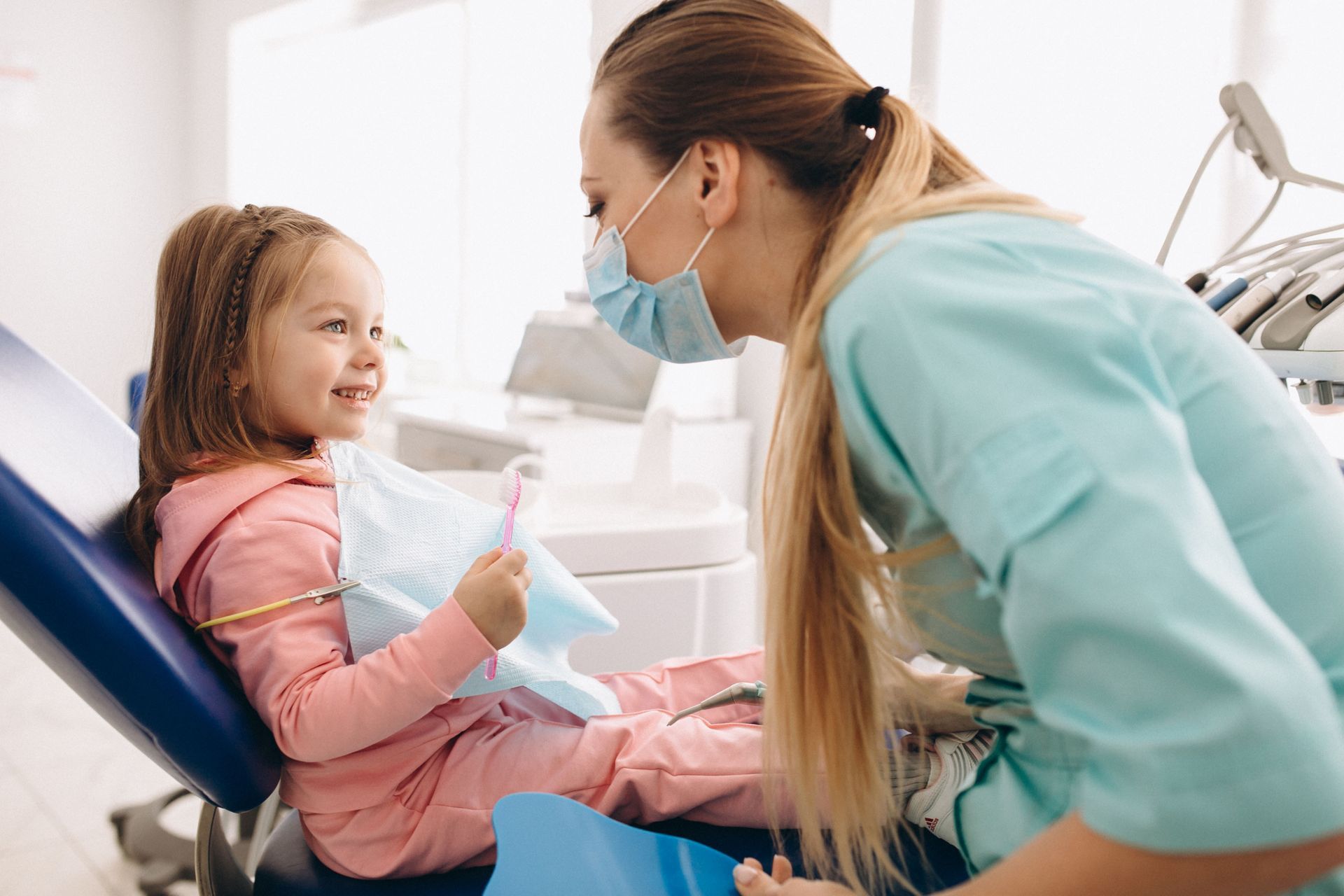
Dental anxiety is a incredibly common psychological hurdle that prevents millions of individuals from seeking necessary preventive care. Modern dentists utilize a variety of patient-focused techniques to manage this stress, including gentle behavioral modification, calming office environments, and nitrous oxide sedation options. Establishing a strong, communicative rapport with your provider can help alleviate these fears, encouraging consistent check-ups and preventing the rapid deterioration of your oral health.
The Future of Dental Technology
The future of preventive dentistry is poised for an incredible transformation through the integration of innovative digital technologies:
- Artificial Intelligence: AI-driven software can now analyze dental scans to identify microscopic signs of enamel decay and bone loss long before they are visible to the naked eye.
- Tele-dentistry Platforms: Virtual consultations allow patients to receive initial dietary advice, risk assessments, and follow-up care without leaving their homes.
- Smart Consumer Tools: Interactive electric toothbrushes track real-time brushing pressure and coverage, syncing directly with mobile apps to keep patients accountable between clinical visits.
The integration of professional preventive dental care into your regular healthcare routine is a definitive, proven strategy for protecting both your physical smile and your personal finances. By utilizing technology-driven solutions and committing to consistent clinical cleanings, you can effortlessly achieve a lifetime of robust oral health while avoiding the heavy financial burdens associated with advanced, reactive dental surgeries. Prioritizing these routine appointments allows you to transform oral hygiene from an unpredictable emergency expense into a manageable, highly predictable component of your wellness budget. Ultimately, an investment in prevention shields you from the progressive, compounding costs of unaddressed decay, ensuring that minor issues are neutralized before they disrupt your life or your savings.
If you are ready to take control of your oral health and secure your long-term preventive savings, it is time to partner with a trusted medical team. The experienced dentists and staff at Premier Dental Care of Decatur are fully dedicated to providing comprehensive, compassionate preventive care tailored precisely to your family's needs, helping you smile with total confidence while keeping your hard-earned money exactly where it belongs—in your wallet.
Share On: